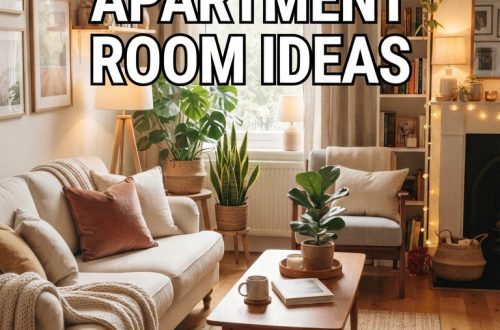
Designing a living room in a small space can feel challenging, but with the right strategies, it can be transformed into a functional, stylish, and cozy area. Small living rooms require thoughtful planning to maximize space, create a sense of openness, and ensure the room is both practical and visually appealing. By combining smart furniture choices, clever storage solutions, and thoughtful décor, you can make a small living room feel inviting and spacious.
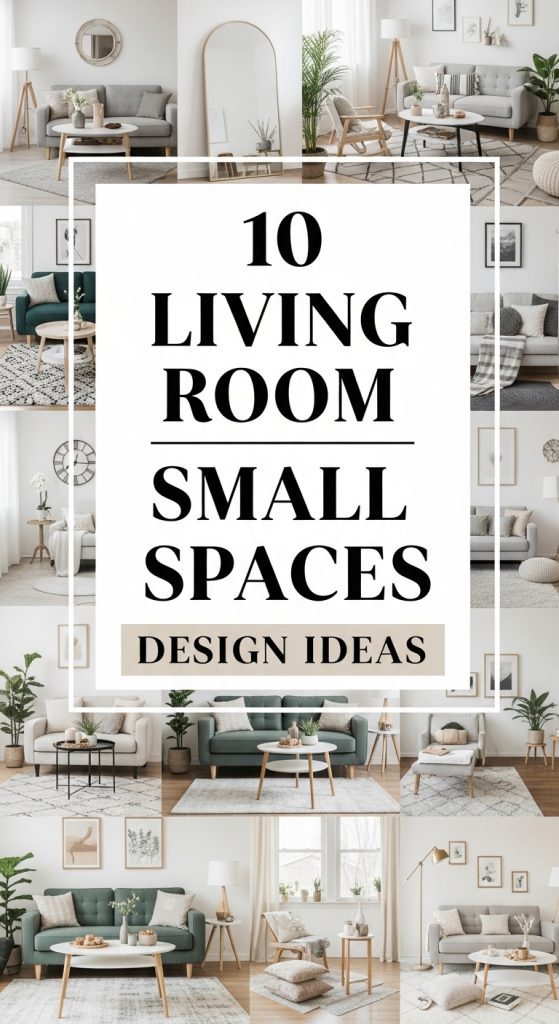
Here are 10 living room design ideas for small spaces that will help you make the most of your compact area while maintaining style and comfort.
1. Multi-Functional Furniture
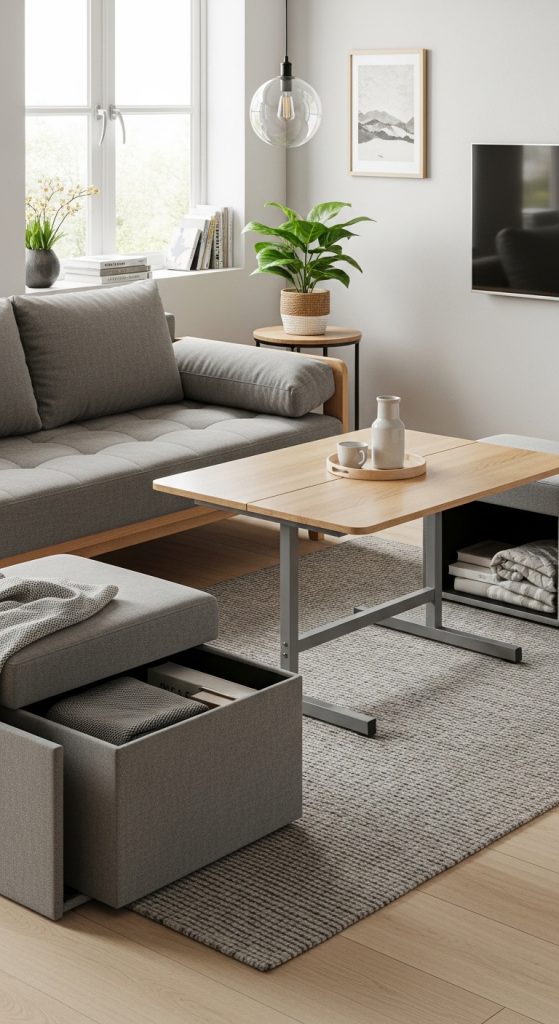
When space is limited, furniture that serves multiple purposes is a lifesaver. Consider sofas with storage underneath, coffee tables with drawers, or ottomans that double as seating and storage.
This approach reduces clutter and ensures every piece of furniture contributes to the functionality of the room. For example, a storage ottoman can hide blankets, magazines, or toys while providing extra seating when guests arrive.
2. Light Colors and Neutrals
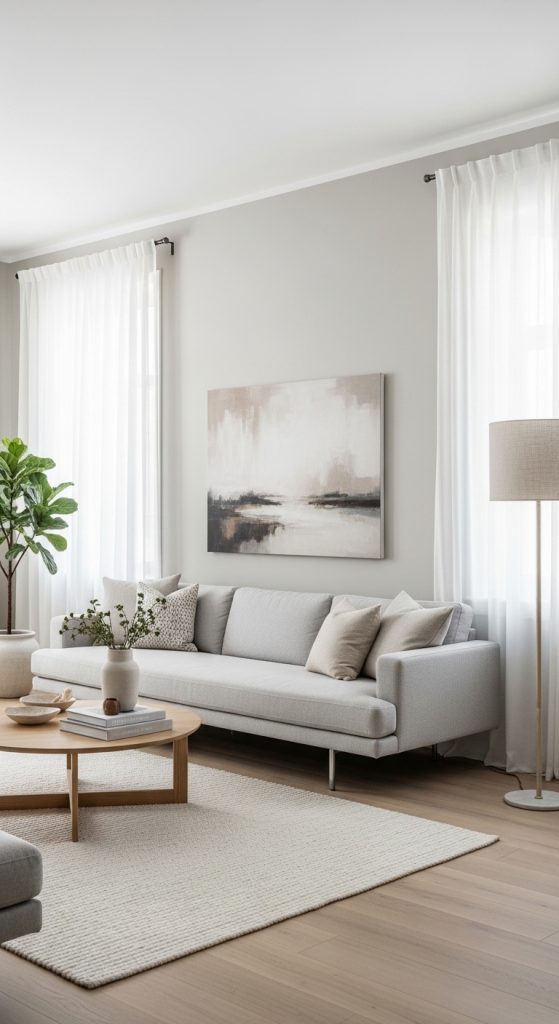
Using light colors like white, beige, soft gray, or pastels can make a small living room feel more open and airy. Lighter shades reflect more natural light, creating a sense of space.
You can add depth and warmth with textured fabrics, such as knitted throws, woven rugs, or linen curtains, to keep the room from feeling sterile.
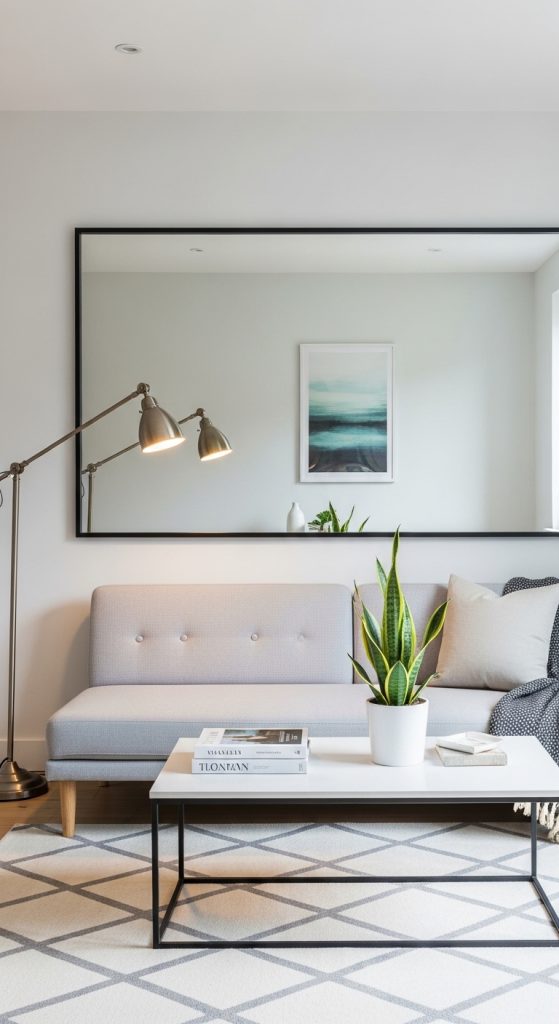
3. Mirrors to Create Depth
Mirrors are one of the simplest tricks to make a small space feel larger. A large mirror on one wall reflects light and creates the illusion of more space.
Consider mirrored furniture or mirrored wall panels to add both function and style. Even small accent mirrors strategically placed around the room can make a noticeable difference.
4. Vertical Storage Solutions
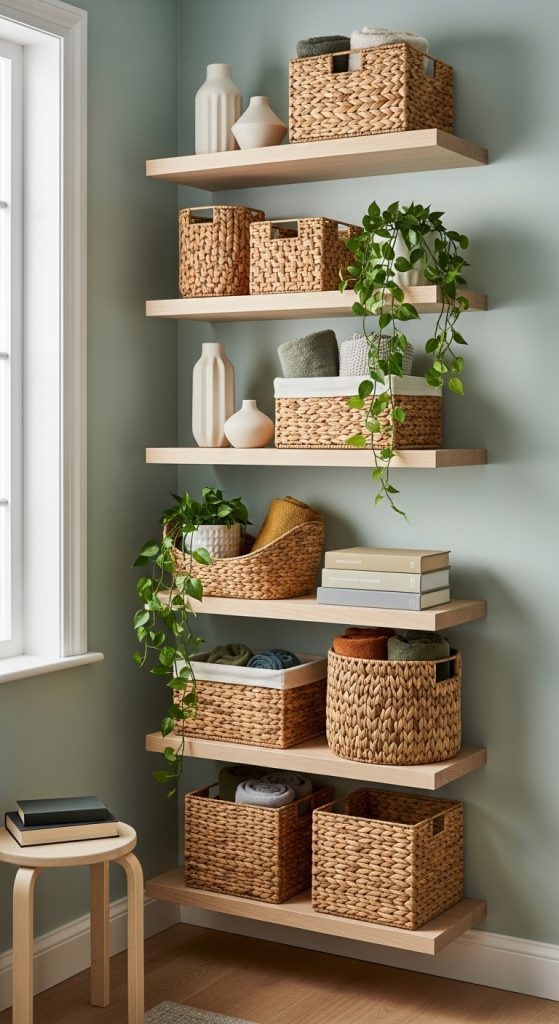
When floor space is limited, go vertical. Tall bookshelves, floating shelves, or wall-mounted cabinets help keep items organized without cluttering the room.
Display books, decorative items, or baskets on the shelves to add personality while taking advantage of vertical space. This approach also draws the eye upward, making the room feel taller.
5. Compact Seating Arrangements
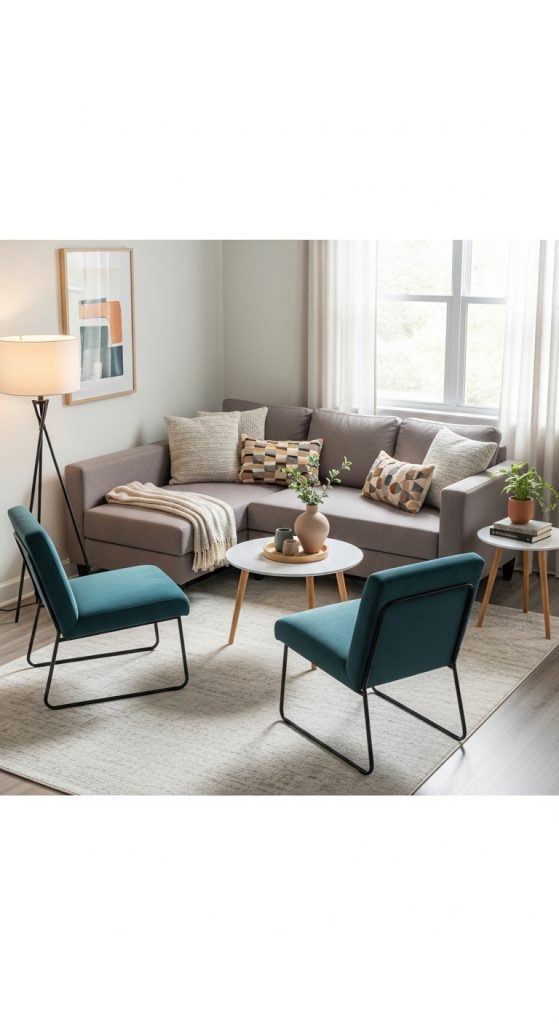
Choose furniture that fits the scale of your room. A small sectional, loveseat, or a combination of chairs with a slim-profile sofa can provide enough seating without overwhelming the space.
Modular seating pieces are perfect because they can be reconfigured depending on the occasion. Avoid bulky furniture that takes up too much visual space.
6. Open Layout and Minimal Clutter
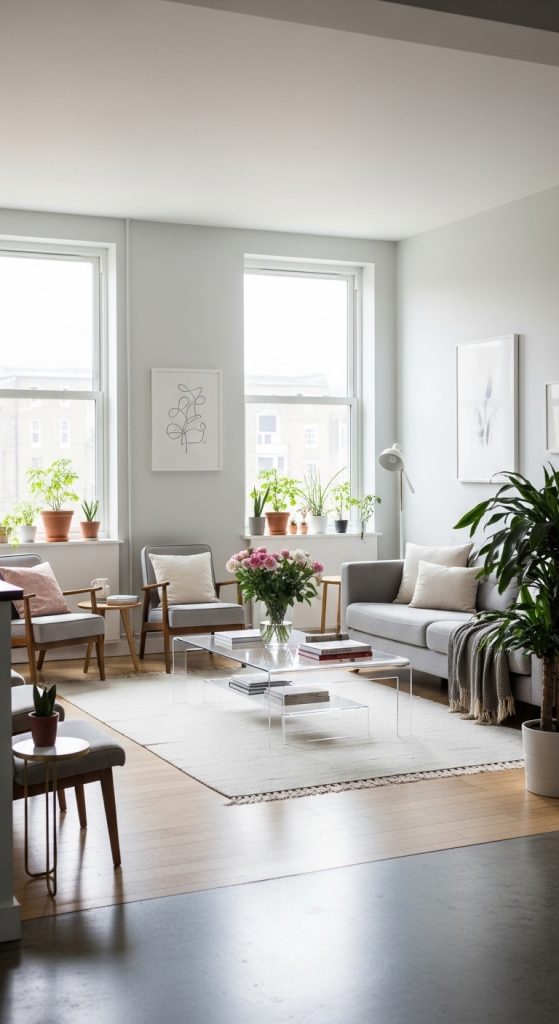
Keeping an open layout is crucial in a small living room. Arrange furniture to allow easy movement, and remove unnecessary items. Minimalist décor with a few statement pieces ensures the room feels spacious and comfortable.
Consider a coffee table with a clear acrylic top or furniture with exposed legs to maintain an open, airy feel.
7. Smart Lighting
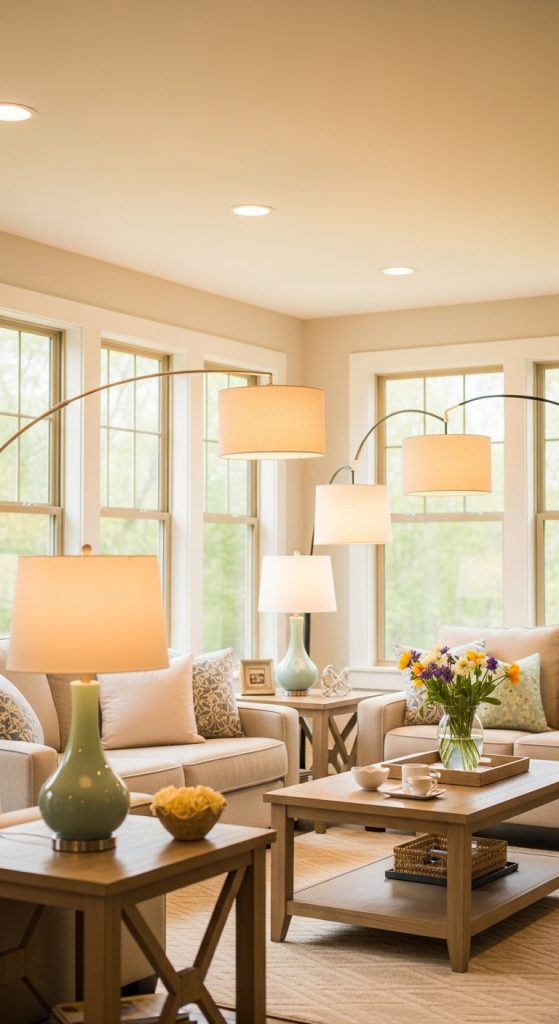
Lighting can dramatically affect how spacious a room feels. Use layered lighting with ceiling lights, floor lamps, and table lamps to brighten every corner.
Avoid heavy, dark drapes that block natural light. Instead, use sheer curtains or blinds to let in maximum sunlight, making the space feel larger.
8. Area Rugs to Define Zones
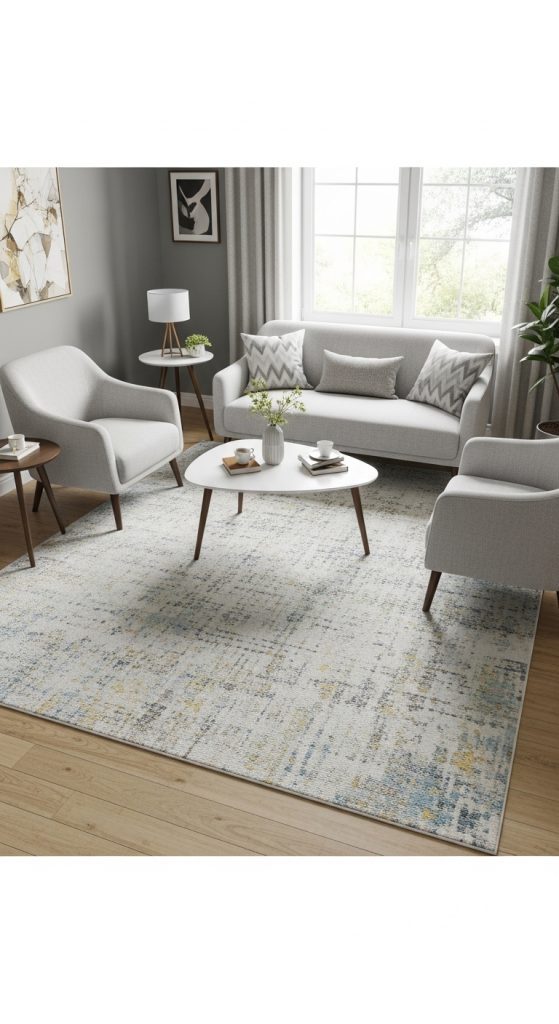
In a small living room, area rugs help define different zones without adding walls. A rug under the seating area creates a cozy, cohesive look while making the space visually organized.
Choose light-colored rugs with subtle patterns to avoid making the room feel crowded.
9. Wall-Mounted Entertainment
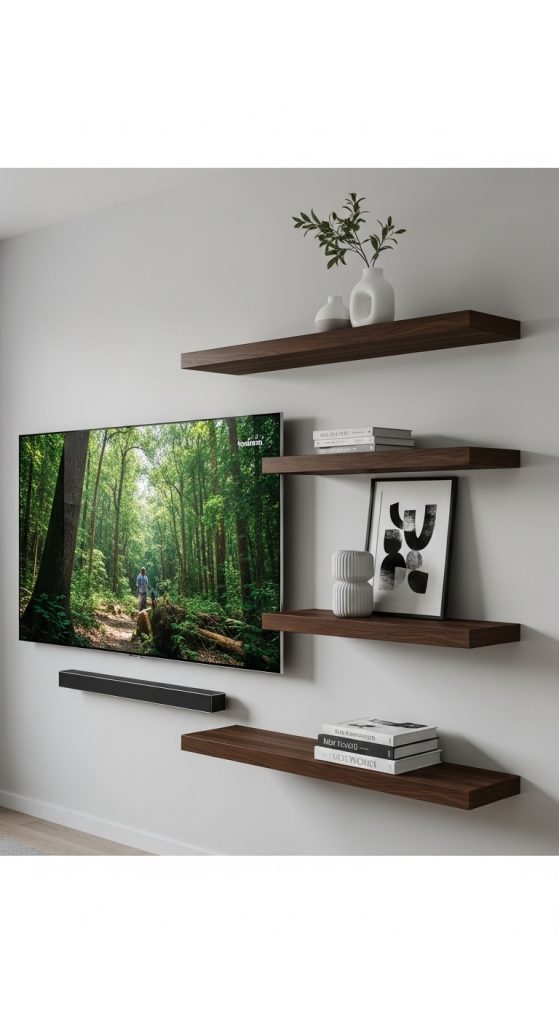
Mounting the TV on the wall instead of using a bulky entertainment center saves floor space. You can also install floating shelves underneath to hold media devices or décor items.
This approach not only frees up floor space but also creates a cleaner, modern look suitable for small living rooms.
10. Creative Use of Accent Pieces
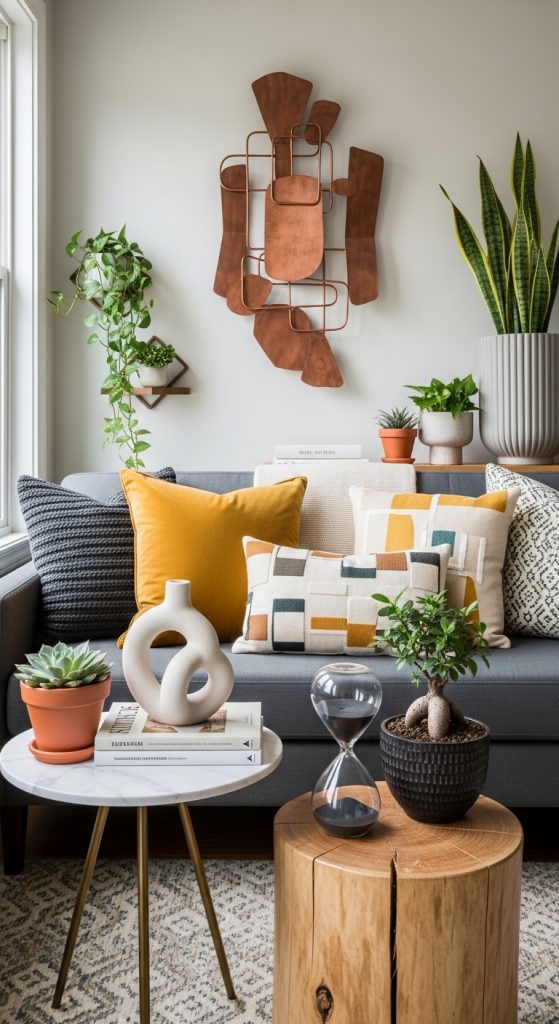
Finally, use accent pieces strategically to add style without overcrowding the room. Wall art, small plants, decorative pillows, and compact side tables can enhance the design.
Stick to a cohesive color palette and avoid too many patterns, which can make the space feel busy. Small touches like a statement lamp or a bold-colored throw can add personality without overwhelming the room.
Conclusion
Small living rooms require a balance of functionality, style, and creativity. By choosing the right furniture, utilizing vertical space, maximizing natural light, and incorporating thoughtful décor, you can transform a compact space into a stylish and comfortable living area.
From multi-functional furniture to wall-mounted entertainment, mirrors, and vertical storage, these 10 living room small space design ideas provide practical and aesthetic solutions to make your room feel bigger, brighter, and more welcoming.
Whether you live in an apartment, a townhouse, or simply have a compact living area, these strategies ensure that your small living room is both beautiful and functional, making every inch count.